
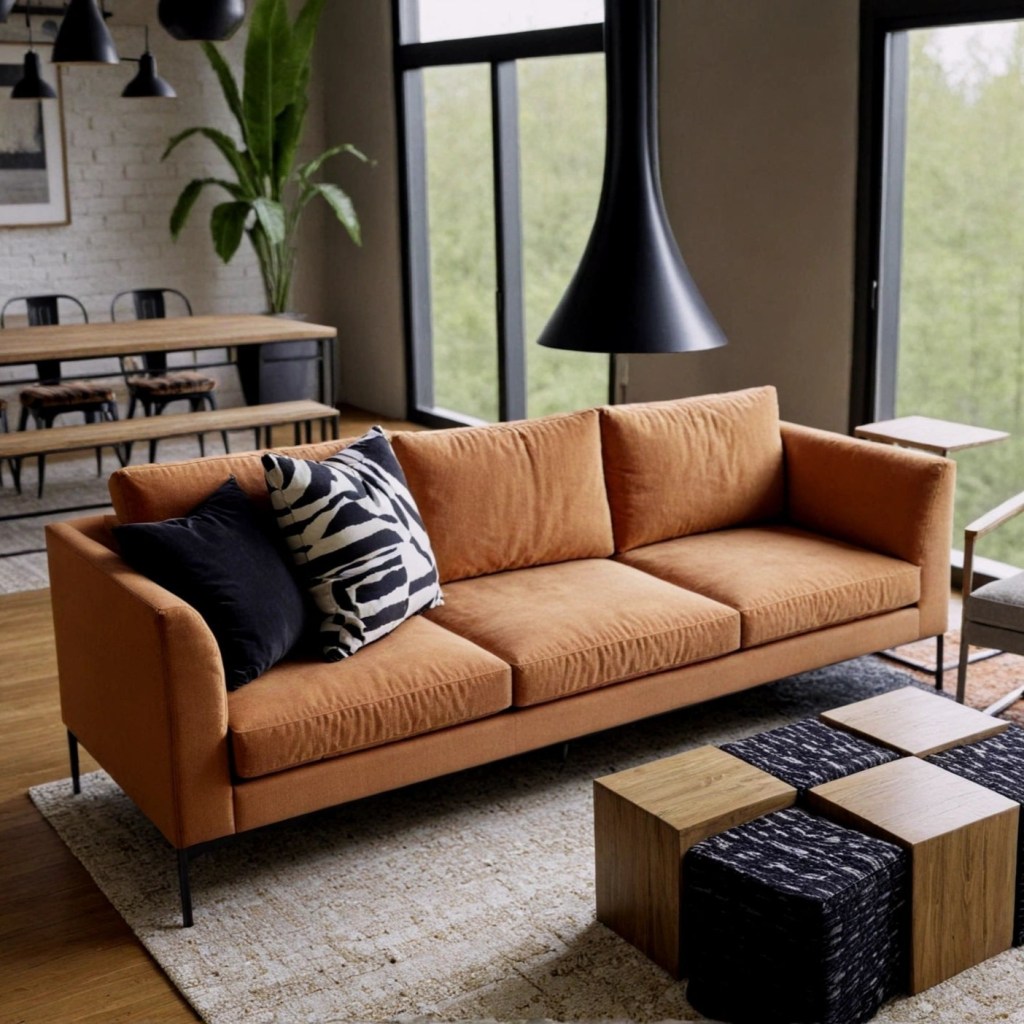
To understand industrial style, you first need to understand its origins. “New York loft” is a phrase that has become synonymous with industrial style.
Struggling with population growth, a decline in manufacturing and a housing
shortage, New York officials rezoned many old industrial areas of the city.
As a result, old factories and warehouses were being reclaimed and transformed into apartments. Consequently, the industrial style was born out of necessity. Although New York is not the only city where this trend was taking place, the volume and the speed of the change there has cemented its link with the industrial style.
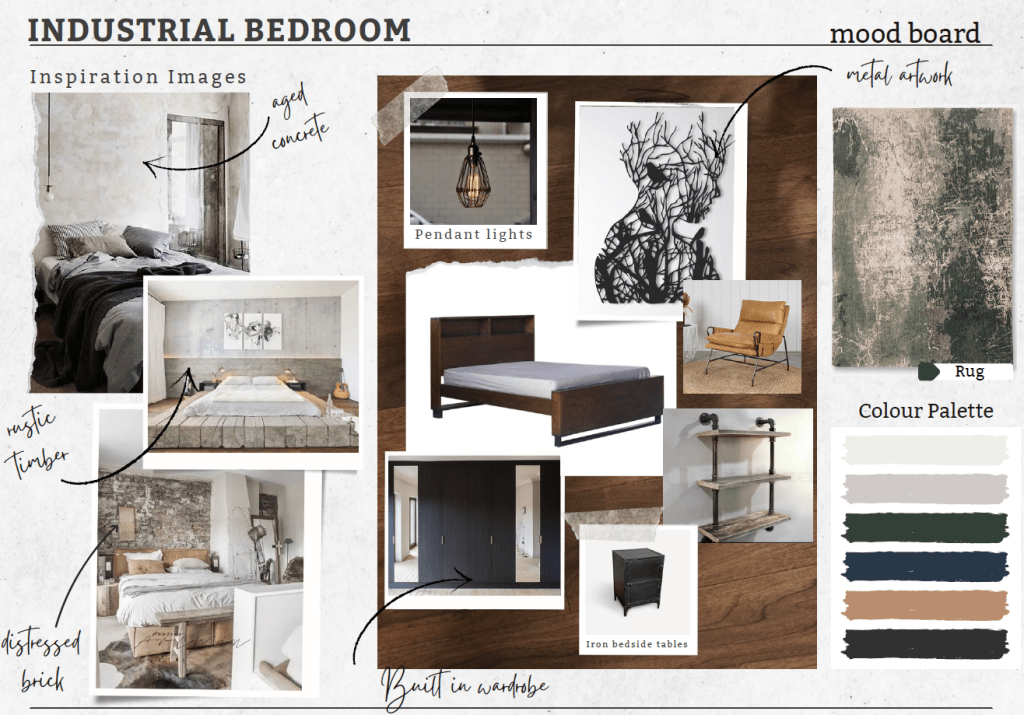
Misunderstood as cold, hard, or unwelcoming, the industrial style incorporates raw and sometimes brutal materials such as exposed pipes, ducting, and structural components on show. It is these raw materials that provide depth and character to the space.
Often described as edgy and masculine, the industrial style is unapologetic in its no-fuss, open-plan structure and celebrates imperfections, such as exposed brickwork, distressed timber, or concrete walls.
How to achieve an industrial look?
Use of Texture – Industrial style uses a vast array of textures. Start by looking at the bones of the room. These typically comprise materials such as raw concrete, exposed brickwork timber rafters or large steel beams. These strong architectural features typically have a weathered or aged look for additional depth and character. If you are renovating a room that doesn’t have these features, consider if you can add a brick veneer or plaster render to your wall or a timber feature to the ceiling of other spaces of the room. By doing this, you will add a simplistic honesty to the design.
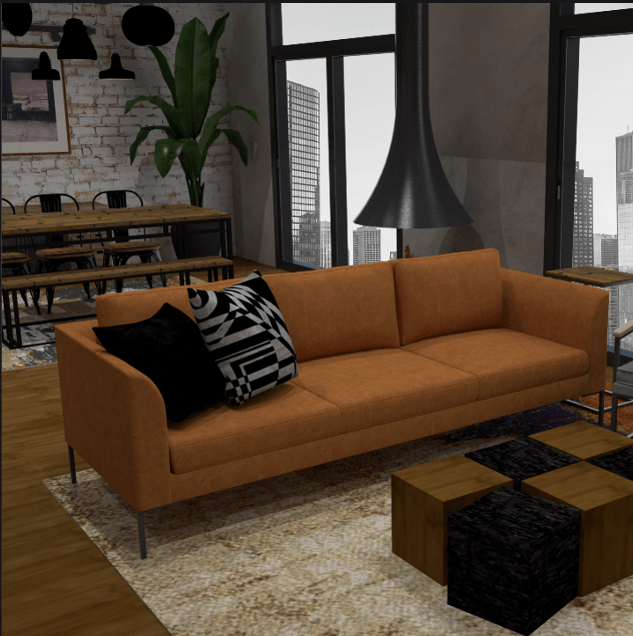
Next, introduce softer textures in your furnishings, such as a worn leather chair, animal skin rug, woollen throws or quality linens. These materials help offset the edge of some of the harsher architectural elements. In your choice of soft furnishing, follow the golden rule of using natural materials that lend weight to the authenticity of the space.
Colour Palette – Use an achromatic (black, white and greys) or a neutral colour palette drawn from a wide array of blacks, greys, whites, and browns. Blend your textures with similar tonal values. By doing this, you can allow the architectural features to be the hero of the space and provide an earthy
grounded feel for your space.
Use of Light – Some of the hallmarks of industrial design are large windows with black panes, oversized entry doors and archways. This allows natural light to flood the space, so additional lighting during the day is rarely used. Regardless of how much natural light you have in your space, you can enhance your industrial aesthetic by using Edison light bulbs with visible tungsten filament. These are iconic statement lights that go hand in hand with industrial design.
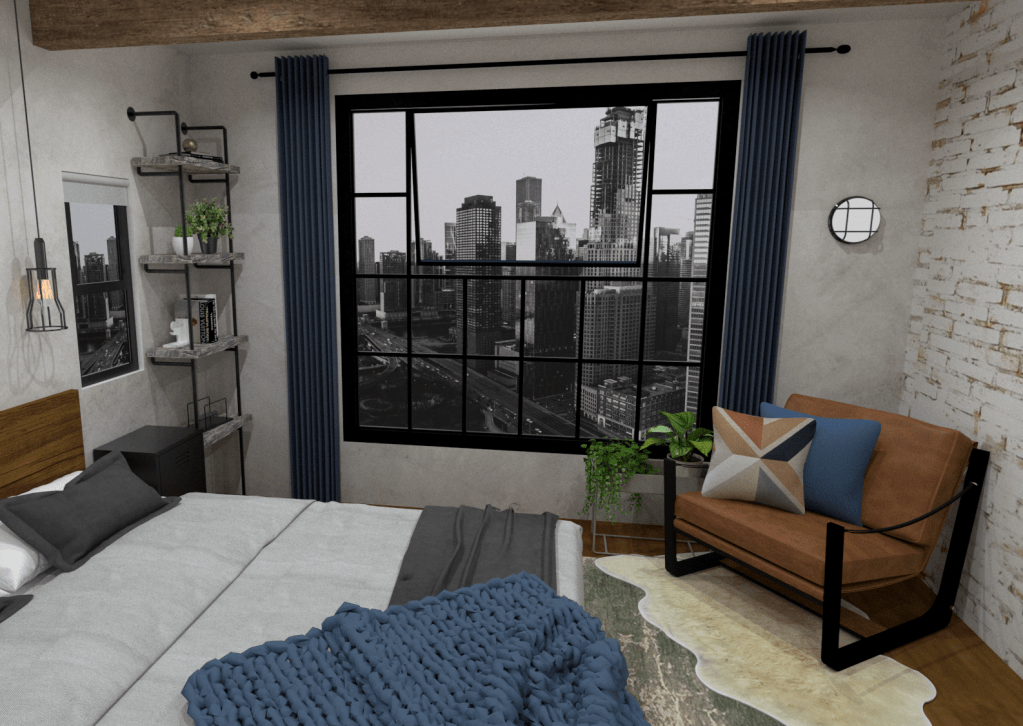
Bold clean lines – Industrial spaces are uncluttered with strong lines. Think solid support beams or roof rafters, a gridded windowpane or bookcase. Black metal is used widely to accentuate this use of lines. Think minimalist style; less is more.
Size and Scale – Architectural features in an industrial space can dominate, so you want to consider the size, scale and visual weight of other items or features around the space. Otherwise, you run the risk of the space feeling uneven.
Clever use of these items will allow you to create a space that celebrates the strong architectural features and imperfections required of an industrial space while still creating a warm and welcoming environment with a rugged and honest beauty.
Need help planning your space?
 HOMEid
Leave a comment